


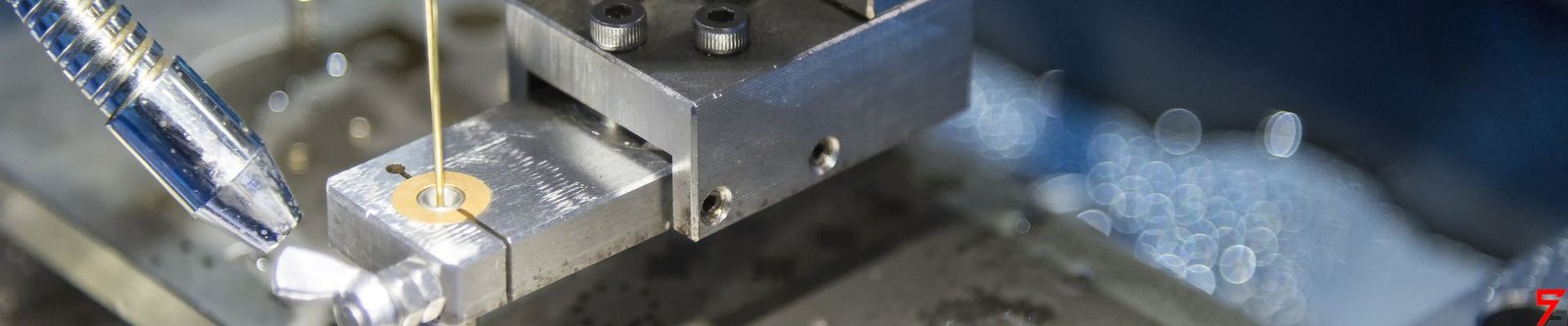
When do we need to use WEDM?
WEDM is required when processing complex shapes, high hardness of materials or difficult to process by traditional methods, high precision and surface finish, and mass production. Here are the detailed instructions:
Machining complex shape workpieces: WEDM can cut workpieces of any shape, especially suitable for machining complex shapes and precision and fine parts, such as punches, dies, forming tools, etc.
Materials with high hardness or difficult to process with traditional methods: WEDM is not limited by material hardness and can process any conductive materials with hardness, strength, and brittleness, including some materials that are difficult to process with traditional methods.
High precision and surface finish are required: WEDM has high machining accuracy, up to 0.001mm level, and good surface finish to meet high quality requirements.
Mass production: WEDM has a significant advantage in mass production, being able to cut multiple parts at the same time, improving production efficiency and reducing production efficiency
Low manufacturing costs.
HONZORI' Wire Electrical Discharge Machining
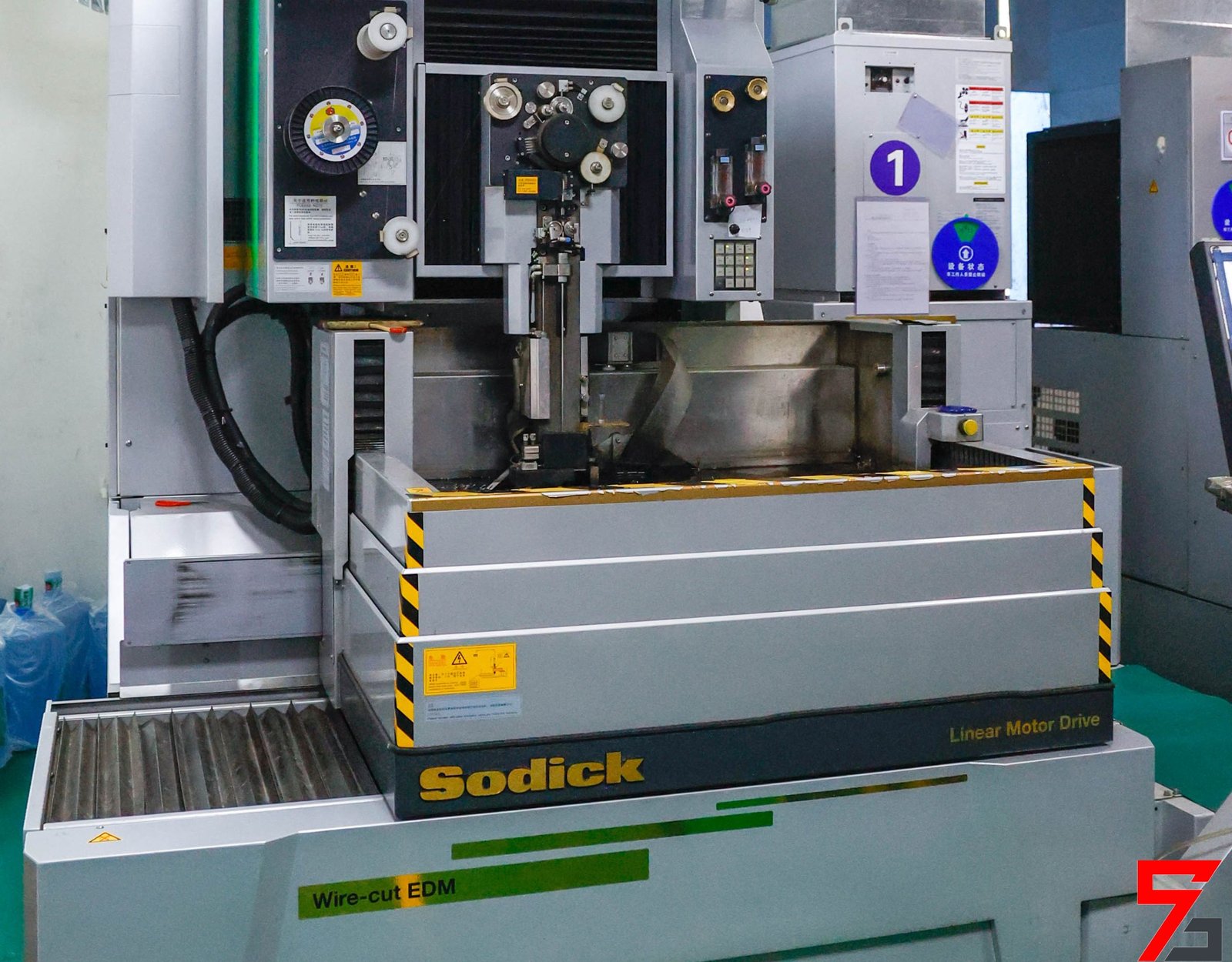
HONZORI’s wire walking speed of slow wire is 0.2m/s, and the electrode wire does low-speed unidirectional movement, and the cutting accuracy is extremely high, which can reach the 0.001mm level.
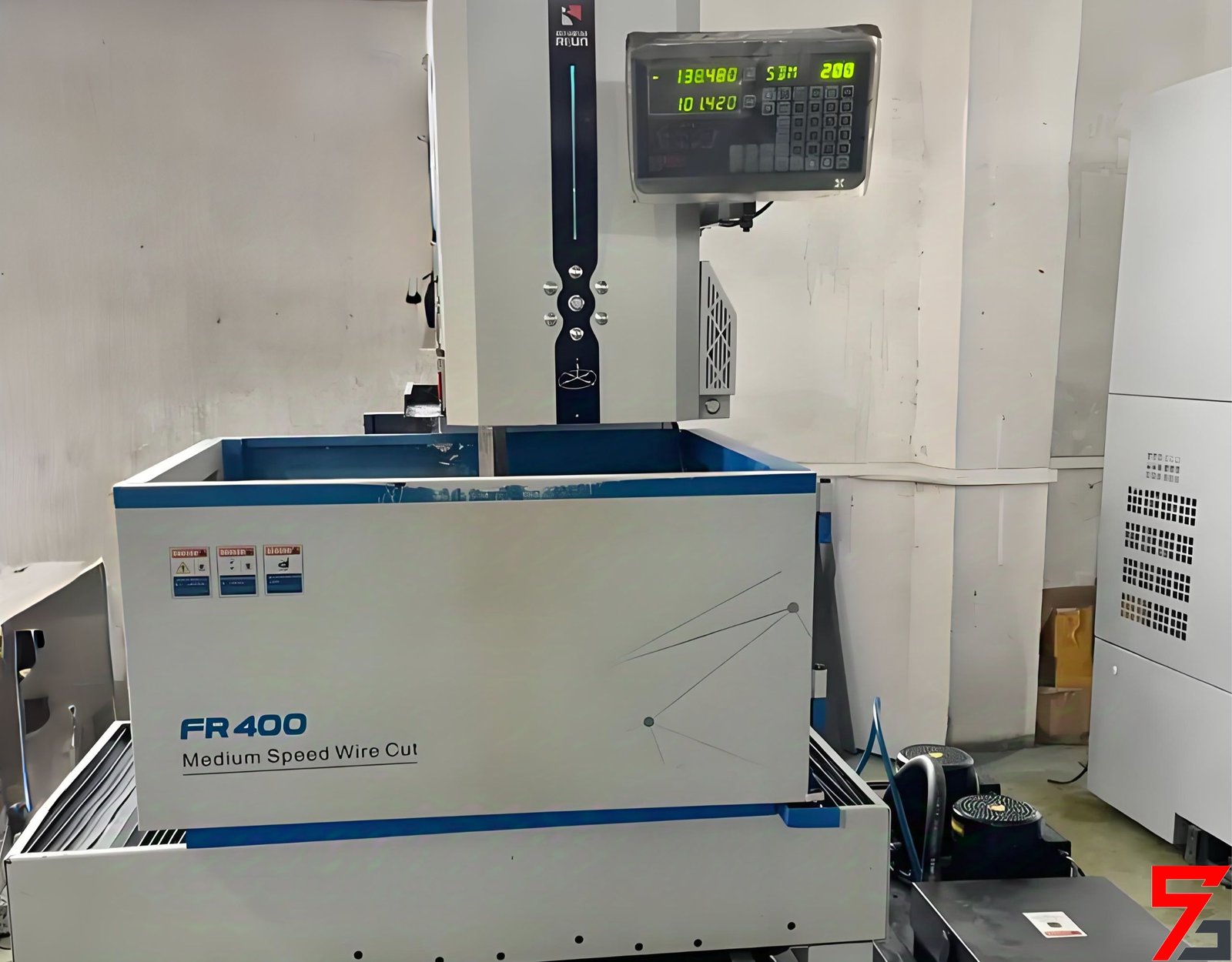
HONZORI’s medium wire is a new process developed in recent years to realize the function of frequency conversion multiple cutting on the basis of fast wire cutting
Gallery
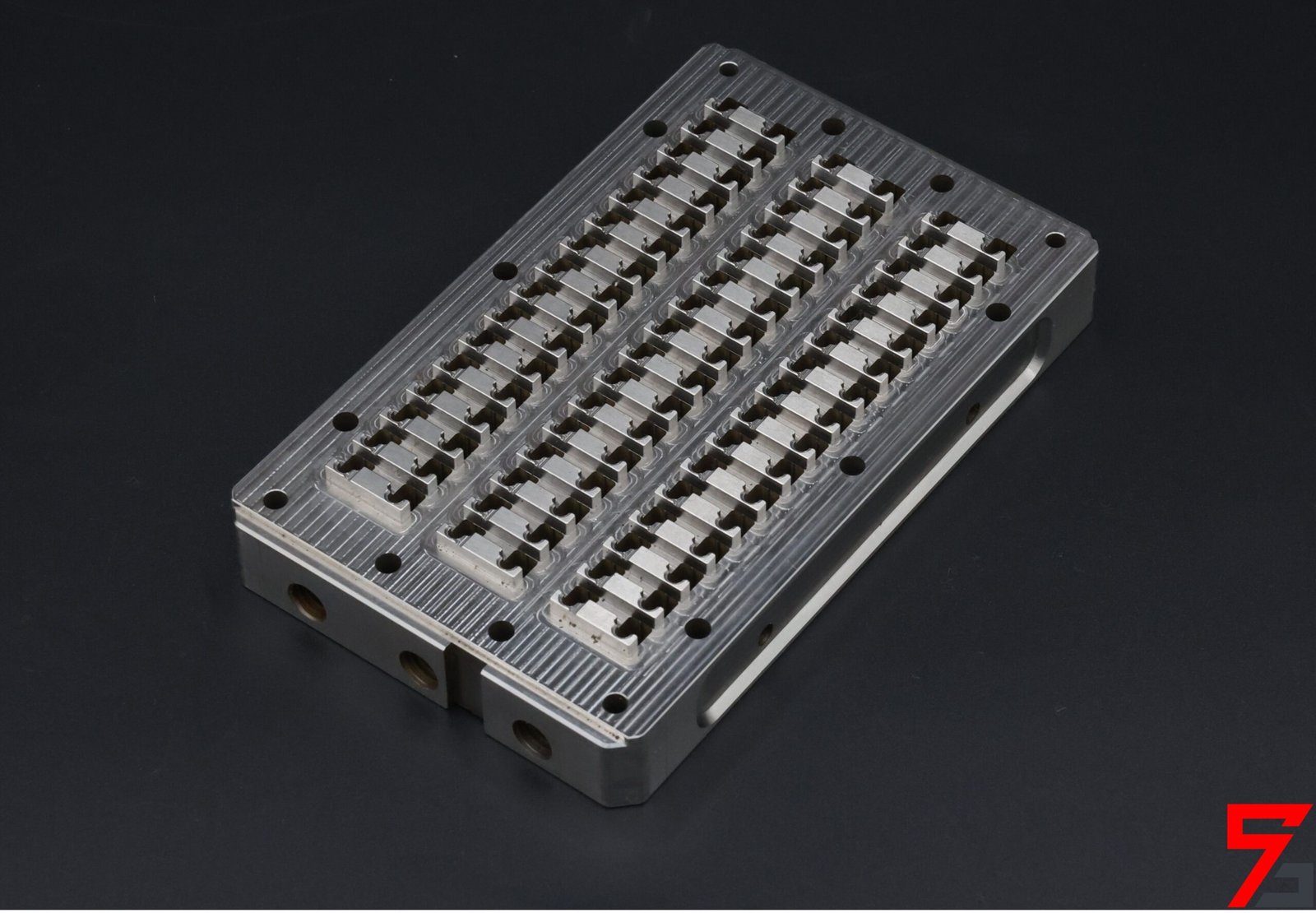
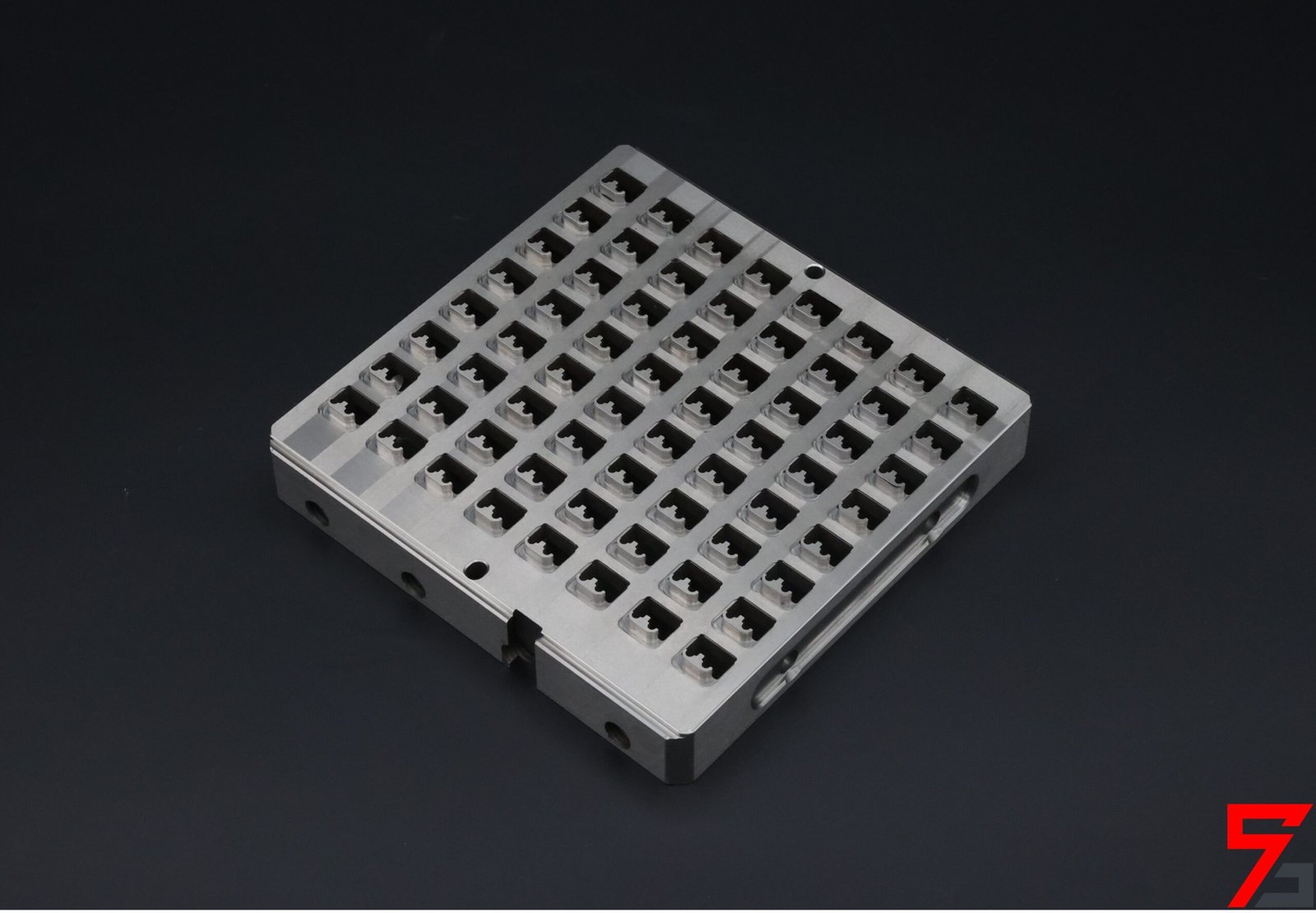
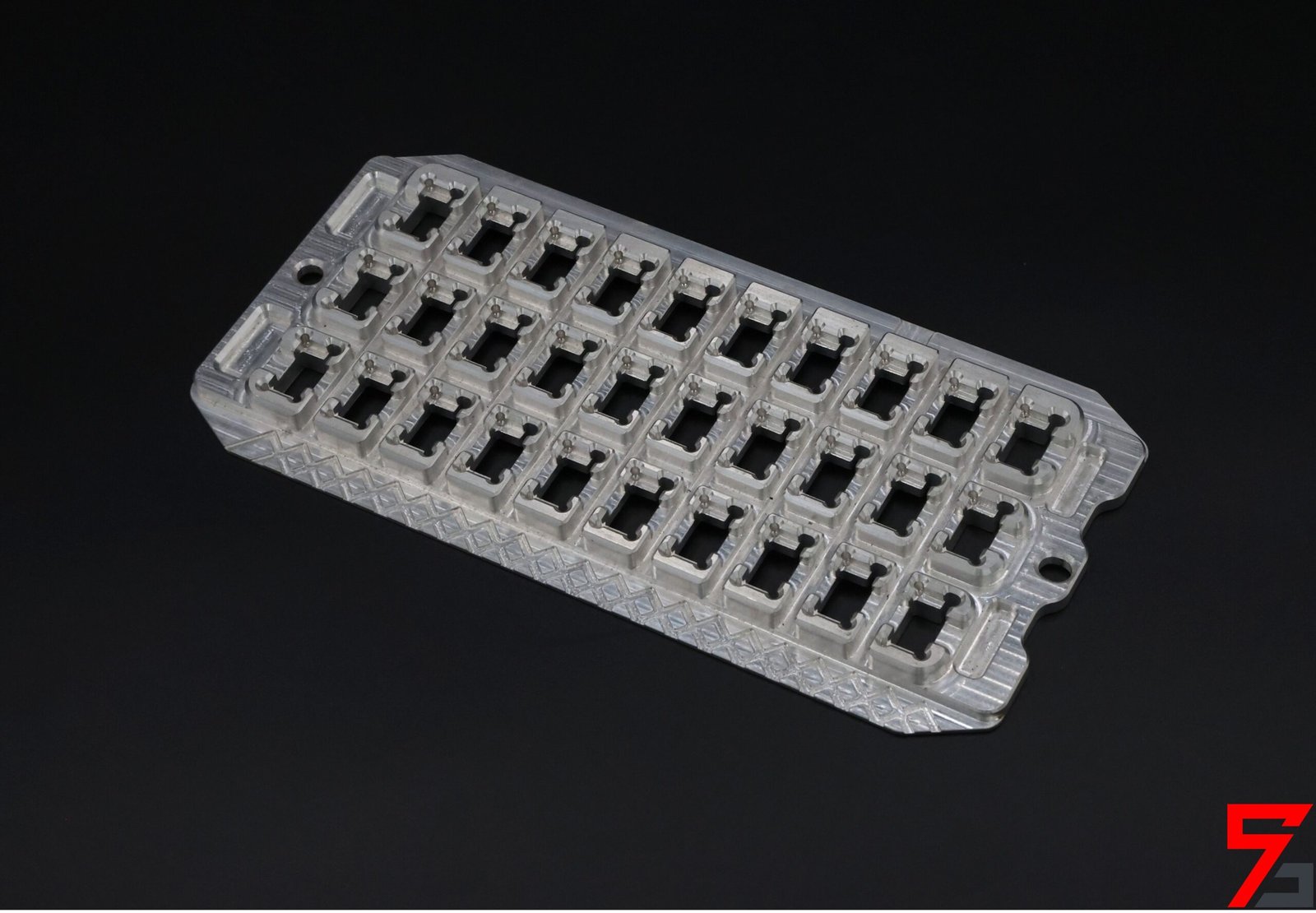
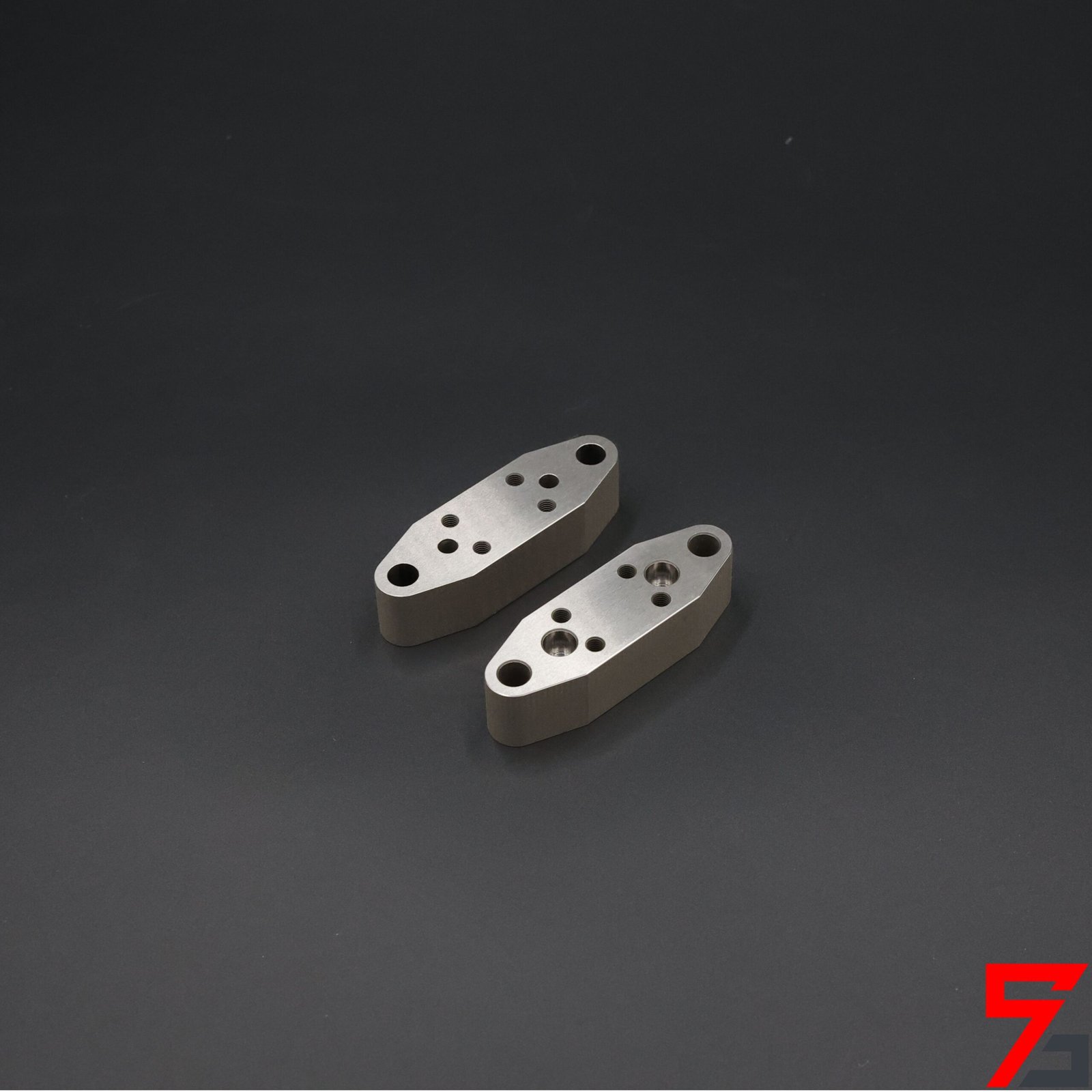
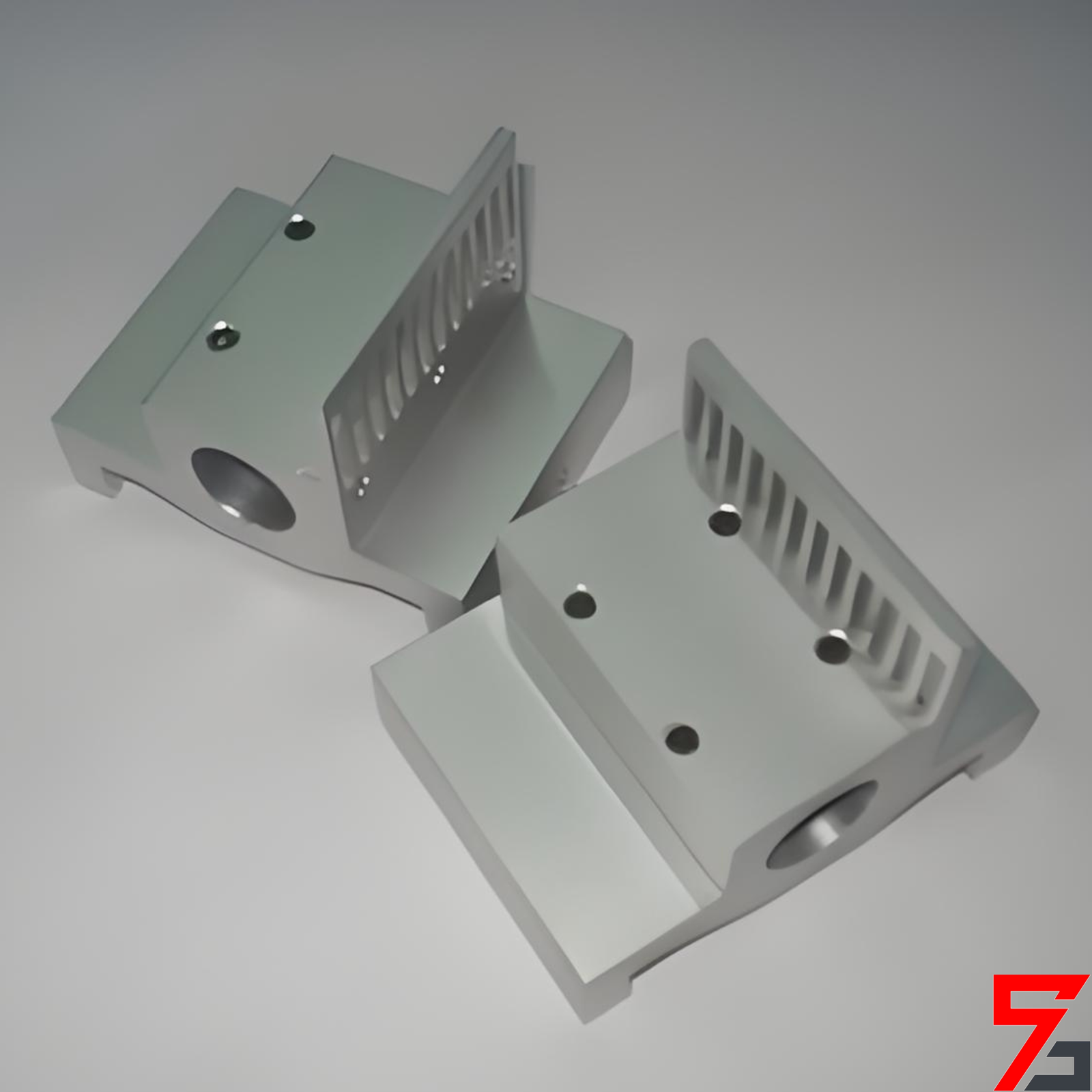
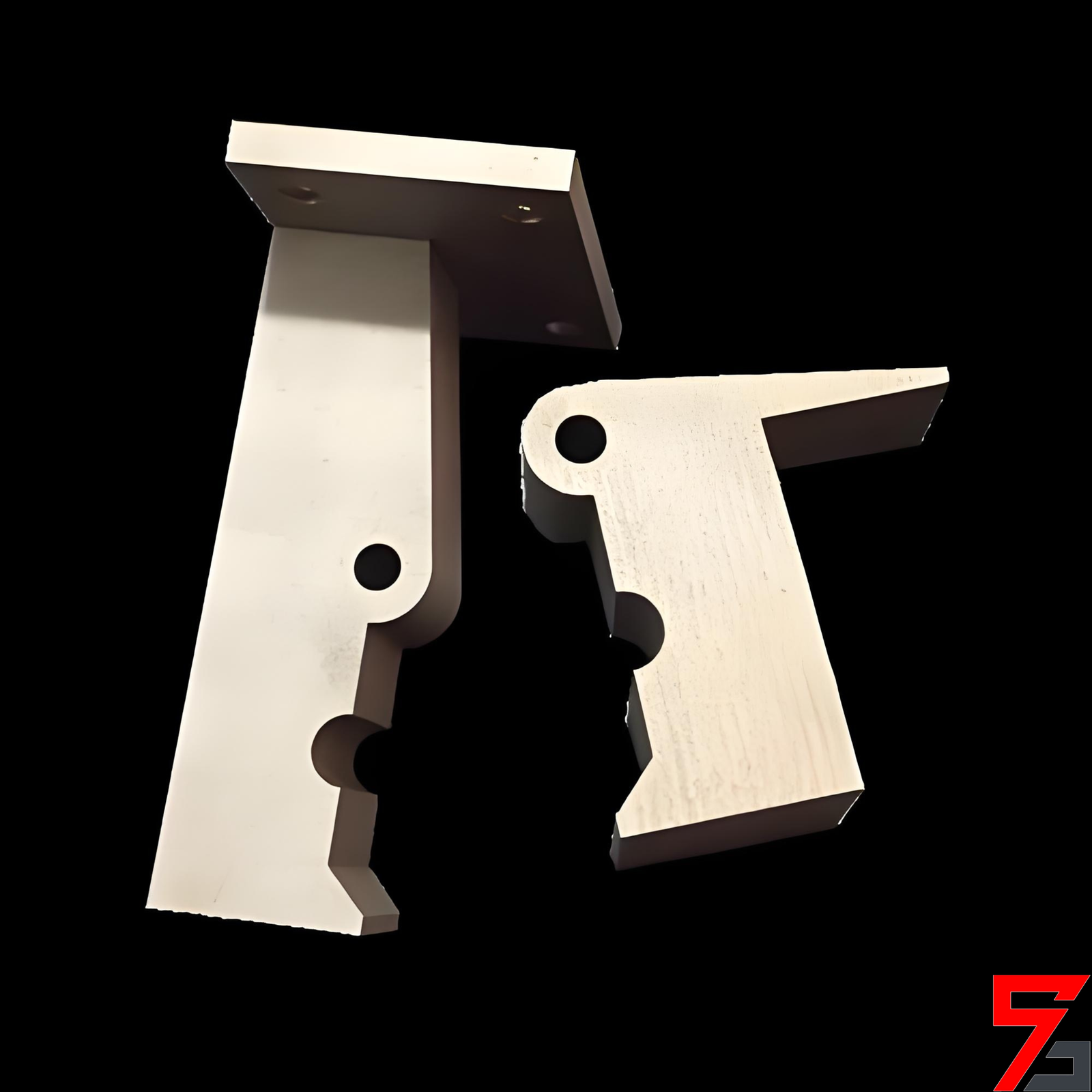
We can machine a variety of materials including metals like steel, aluminum, brass, titanium, and plastics such as nylon, ABS, and acrylic.
HONZORI’s Wire electrical discharge machinings typically achieve a tolerance level of ±0.01mm to ±0.005mm, depending on the complexity of the part and the specific machine being used.
The turnaround time depends on factors such as the complexity of the part, the quantity required, and the material used. Simple parts can be produced in a few hours, while more complex projects may take several days.
- It can process materials and workpieces with complex shapes that are difficult to cut by ordinary cutting methods;
- No cutting force during machining;
- No defects such as burrs and knife marks and grooves;
- The tool electrode material does not need to be harder than the workpiece material;
- Direct use of electrical energy processing for ease of automation;
- After processing, a deterioration layer is created on the surface, which must be further removed in some applications
Yes, HONZORI’s Wire electrical discharge machining is versatile enough to be used for both prototyping, where quick adjustments are needed, and mass production, where consistent quality and efficiency are crucial.