


What is HONZORI‘s quality inspection process?
Material inspection: check whether the material of the sheet metal and bar used in the machined parts meets the drawings or technical requirements.
Specification inspection: verify whether the specifications of raw materials (such as size, shape) meet production requirements.
Quantity checking: Record the incoming quantity of raw materials in detail and check whether they are consistent with the purchase order.
Non-conforming processing: For raw materials that do not meet the requirements, return procedures or other processing
HONZORI' Measuring instruments
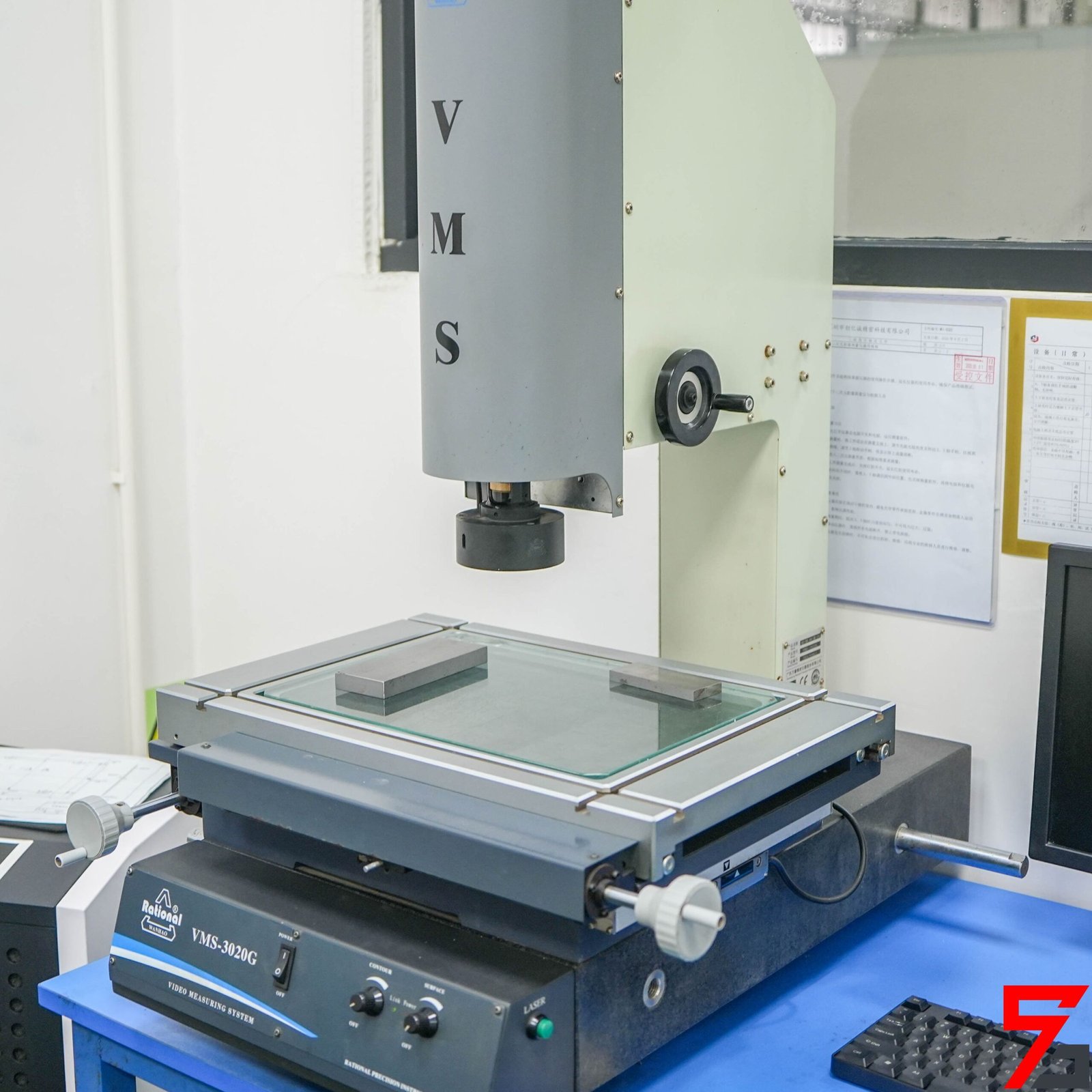
HONZORI‘s image measuring instrument uses high-precision optical system and image processing technology to achieve measurement accuracy in the micrometer and even nanometer scale. This enables it to accurately measure parameters such as the size, shape and position of various components in the mechanical field, ensuring the manufacturing accuracy of the product. The non-contact measurement method avoids the errors and damage caused by contact in the traditional measurement method.
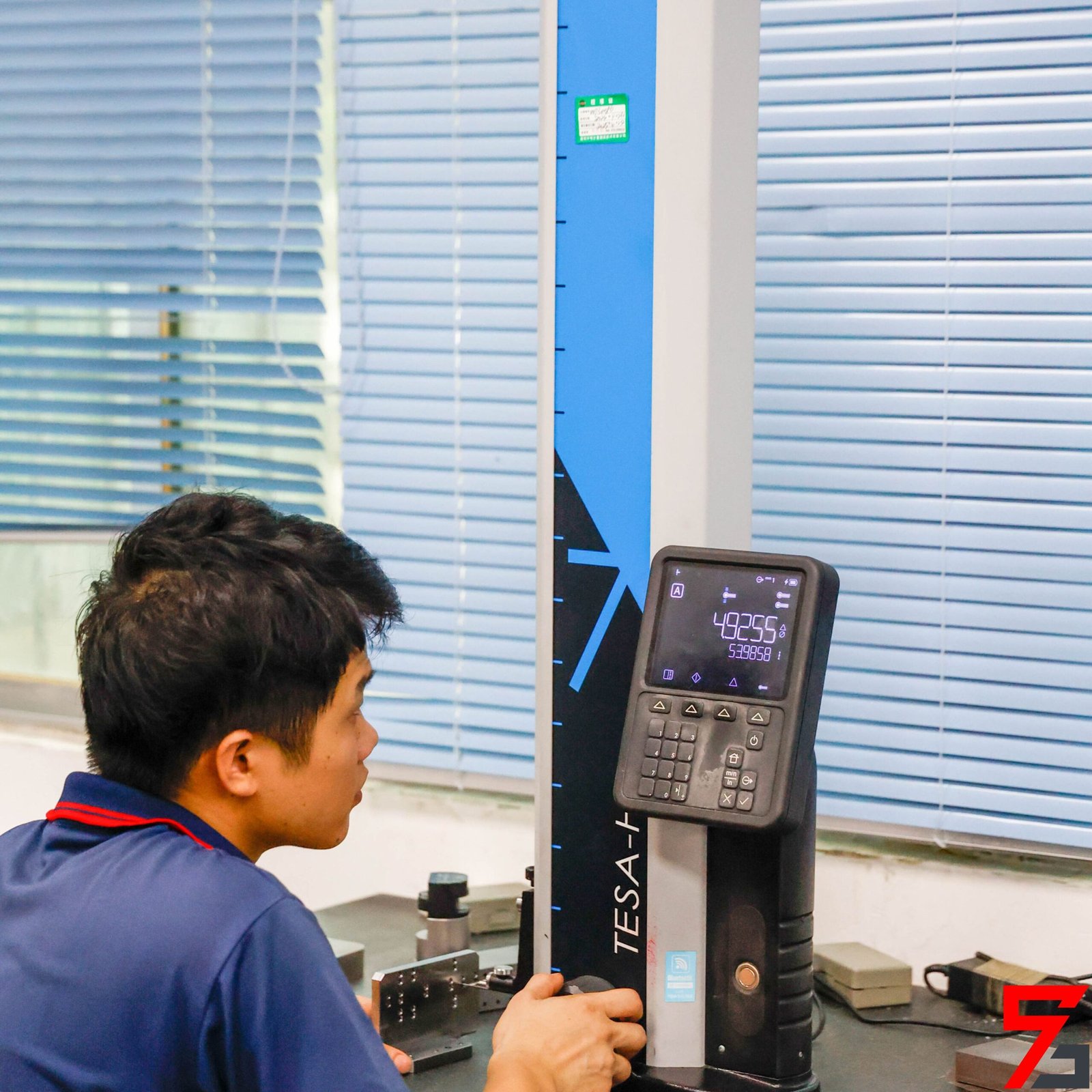
HONZORI‘s Height gauges are mainly used to measure the height, thickness, inner and outer diameter of objects, and other dimensions. In the field of machining, height gauges are often used to measure the dimensional accuracy of workpieces to ensure machining quality. It can also be used to inspect mechanical parts to meet the dimensions required for design, which is essential for quality control and product inspection.
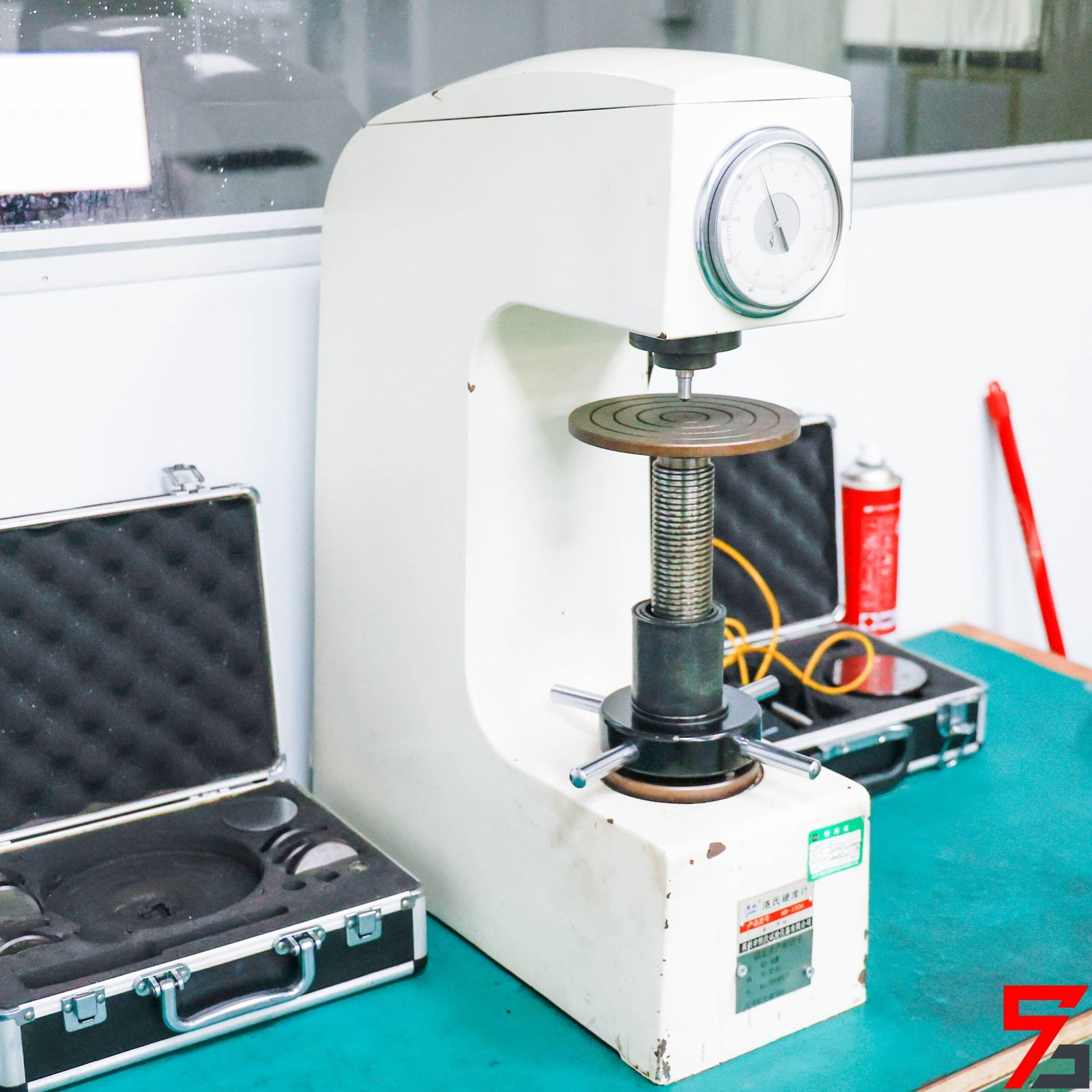
HONZORI‘s rockwell hardness tester is mainly used to measure the hardness of various metal materials, such as steel, iron, aluminum alloy, copper alloy, etc.
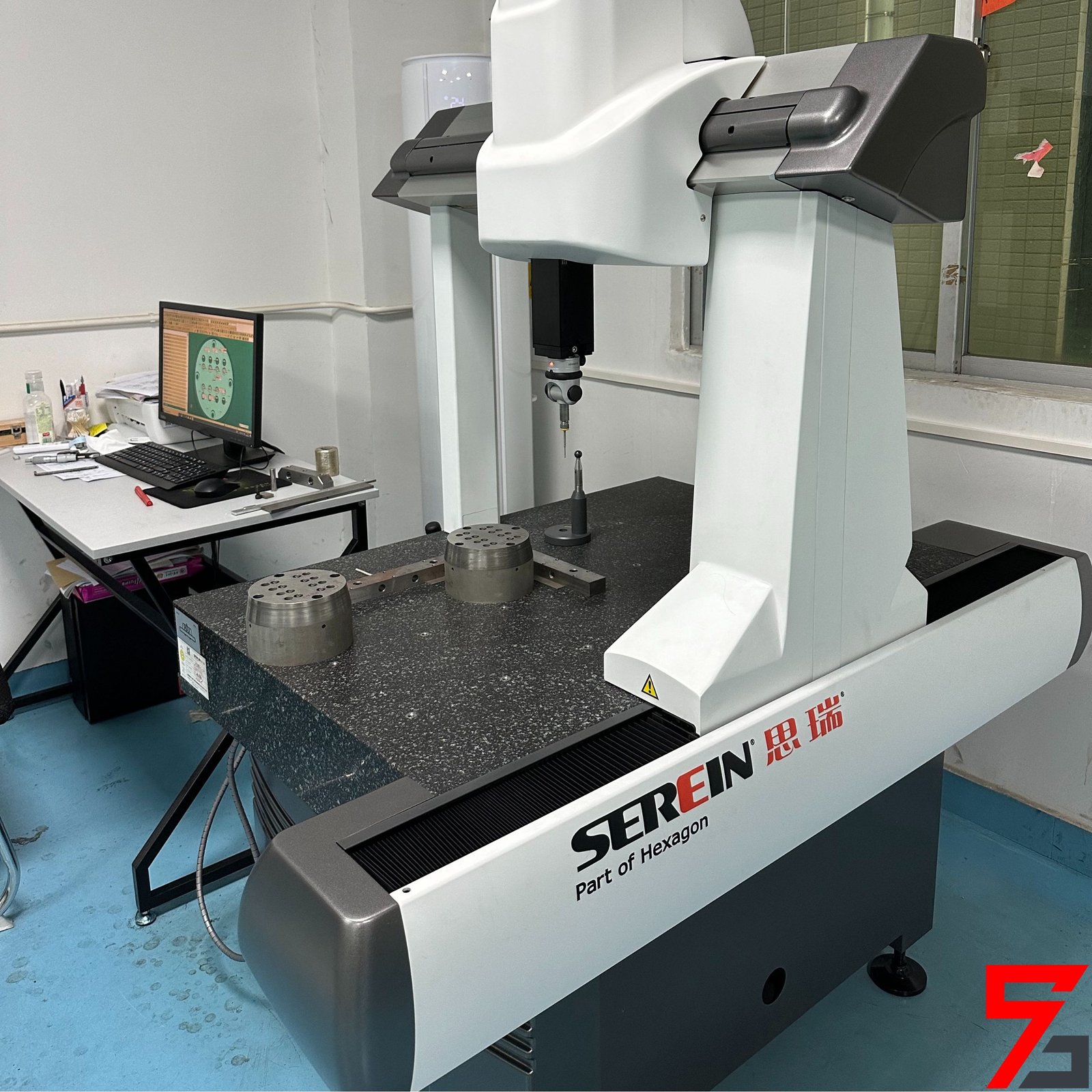
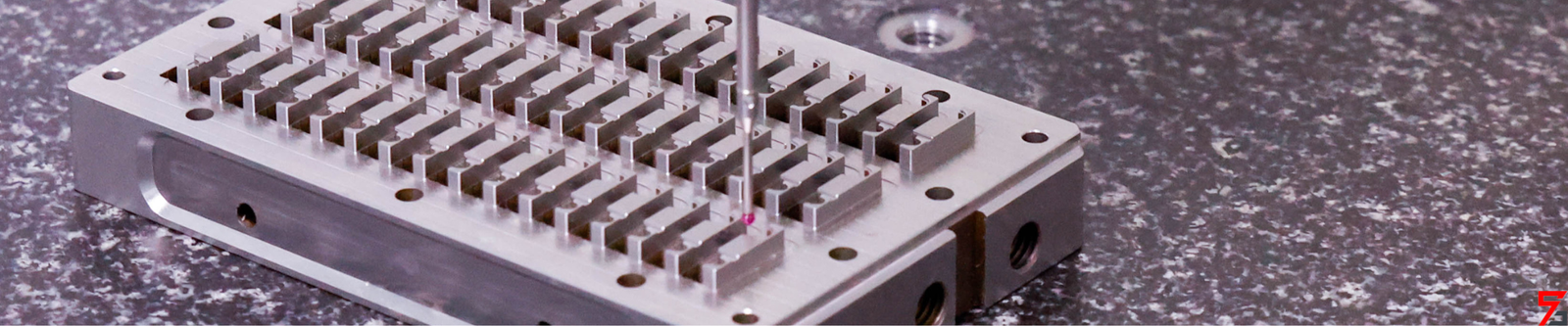
HONZORI‘s CMM can provide micron-level or even higher measurement accuracy, and can easily measure the three-dimensional dimensions of space to meet the needs of high-precision measurement.
Gallery
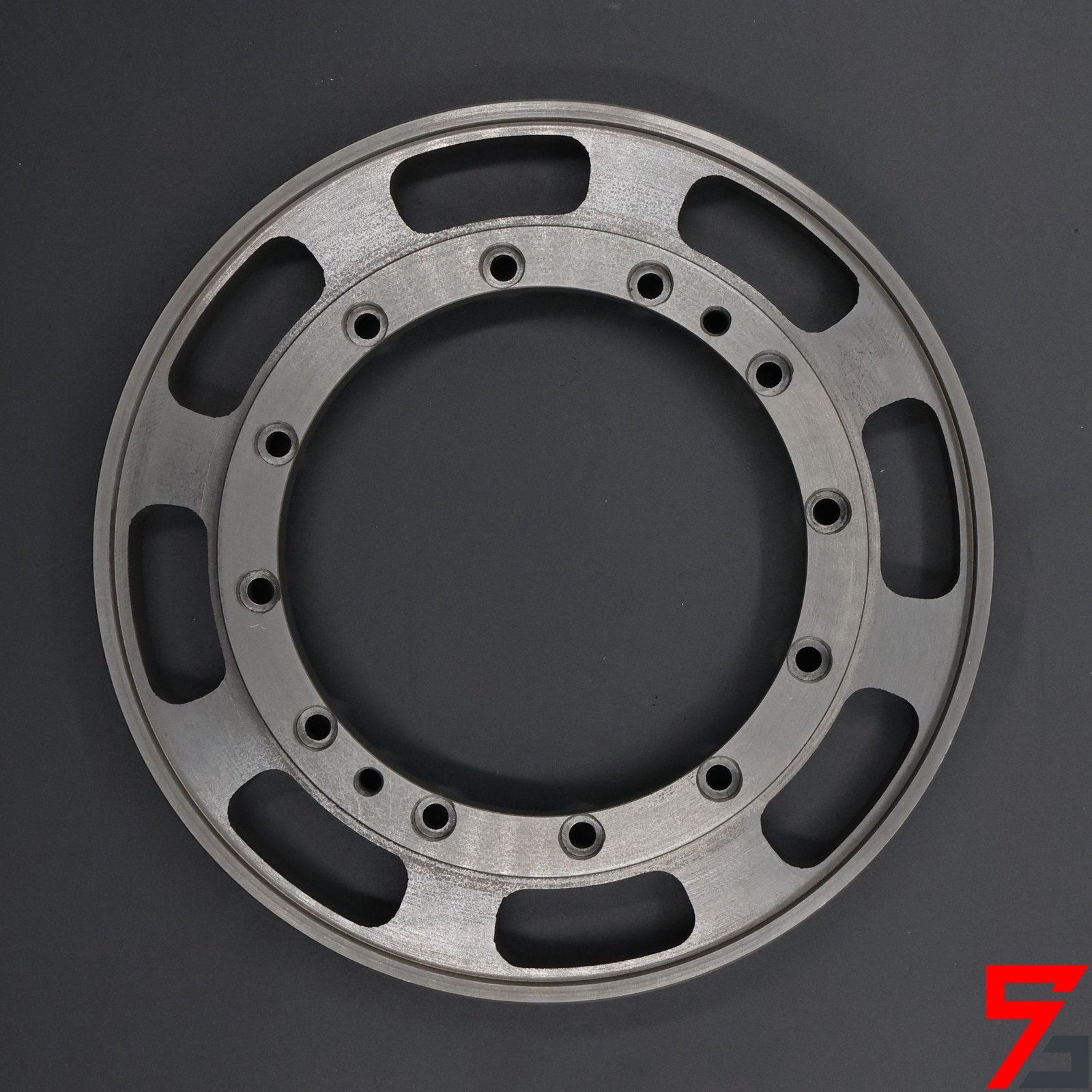
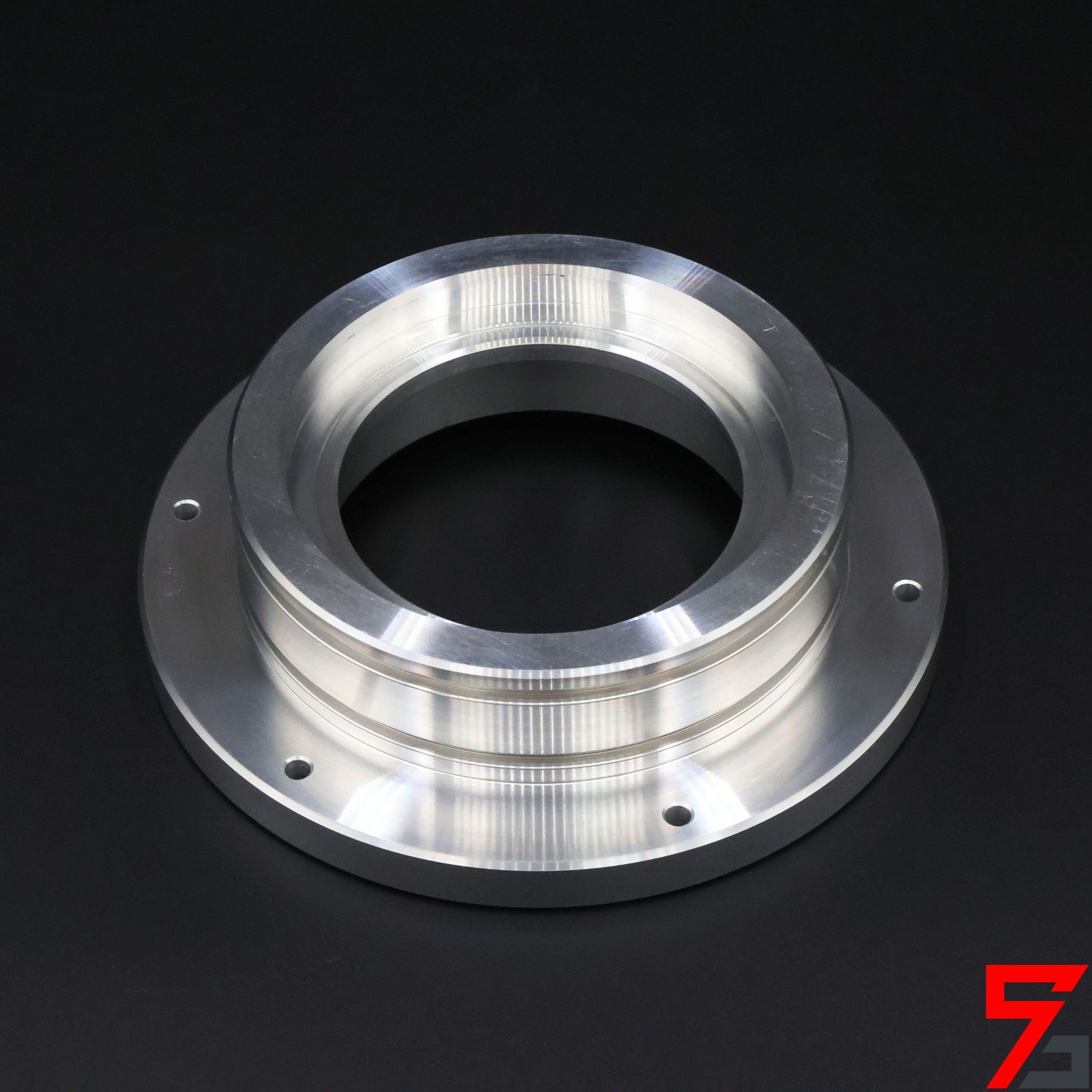
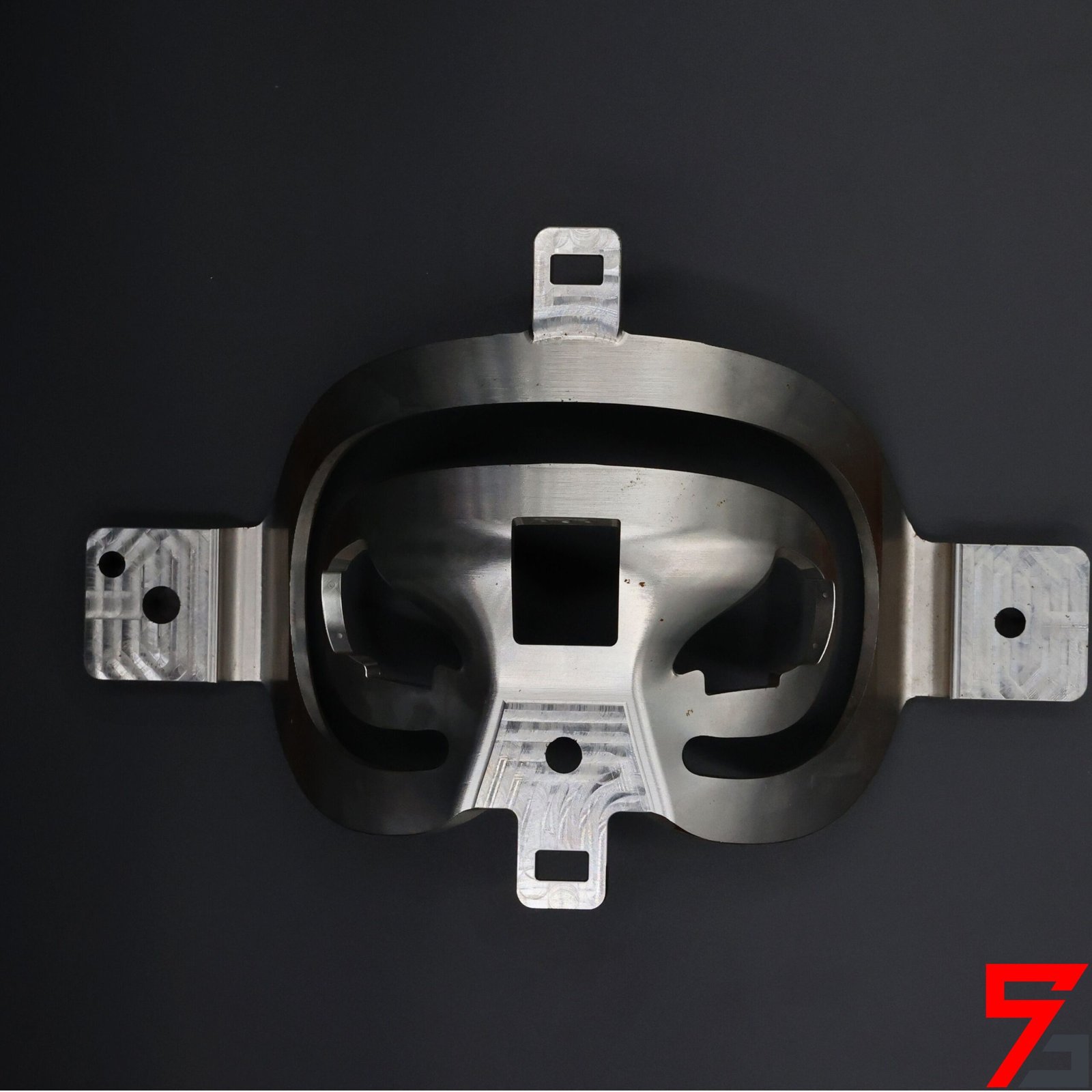
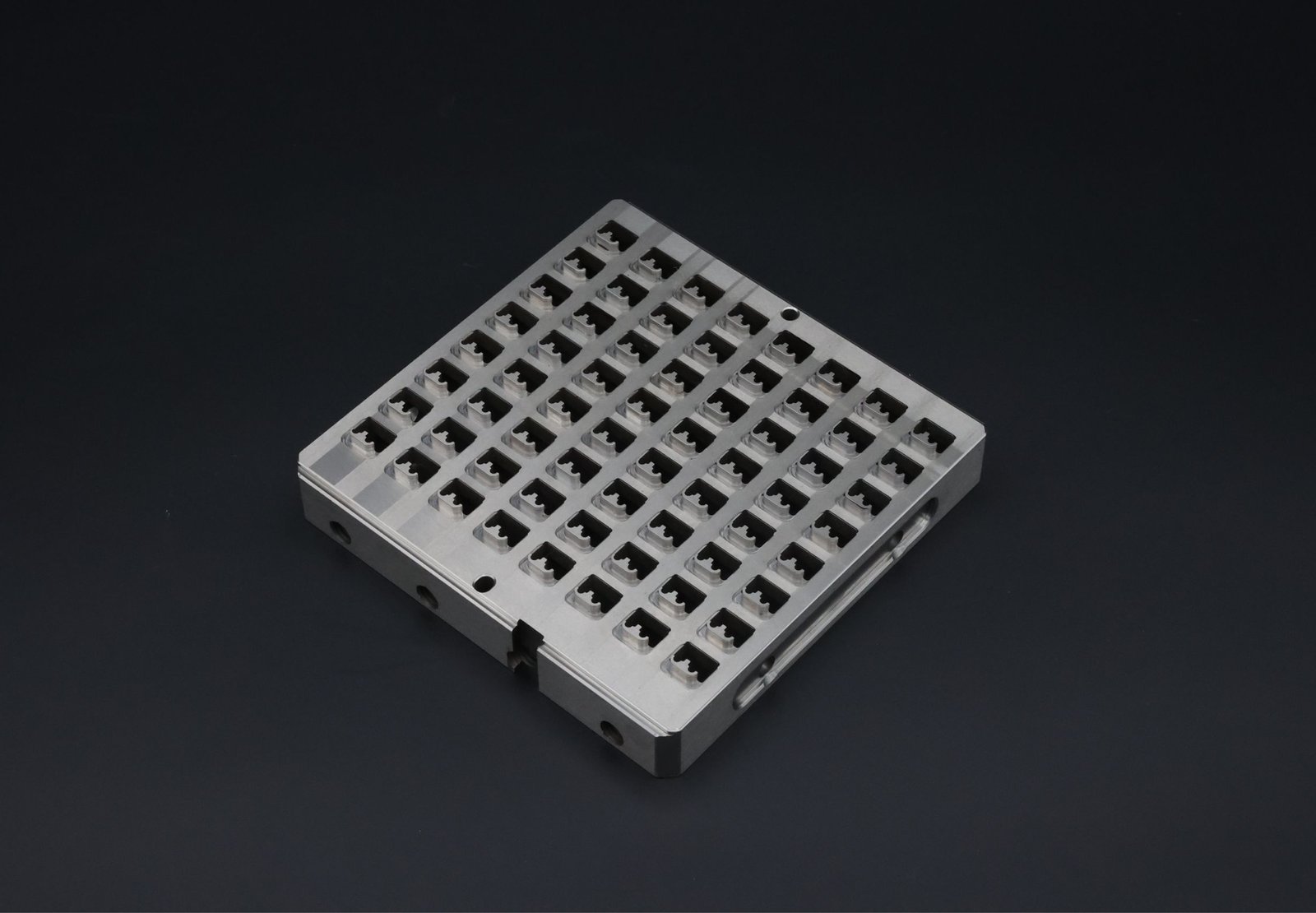
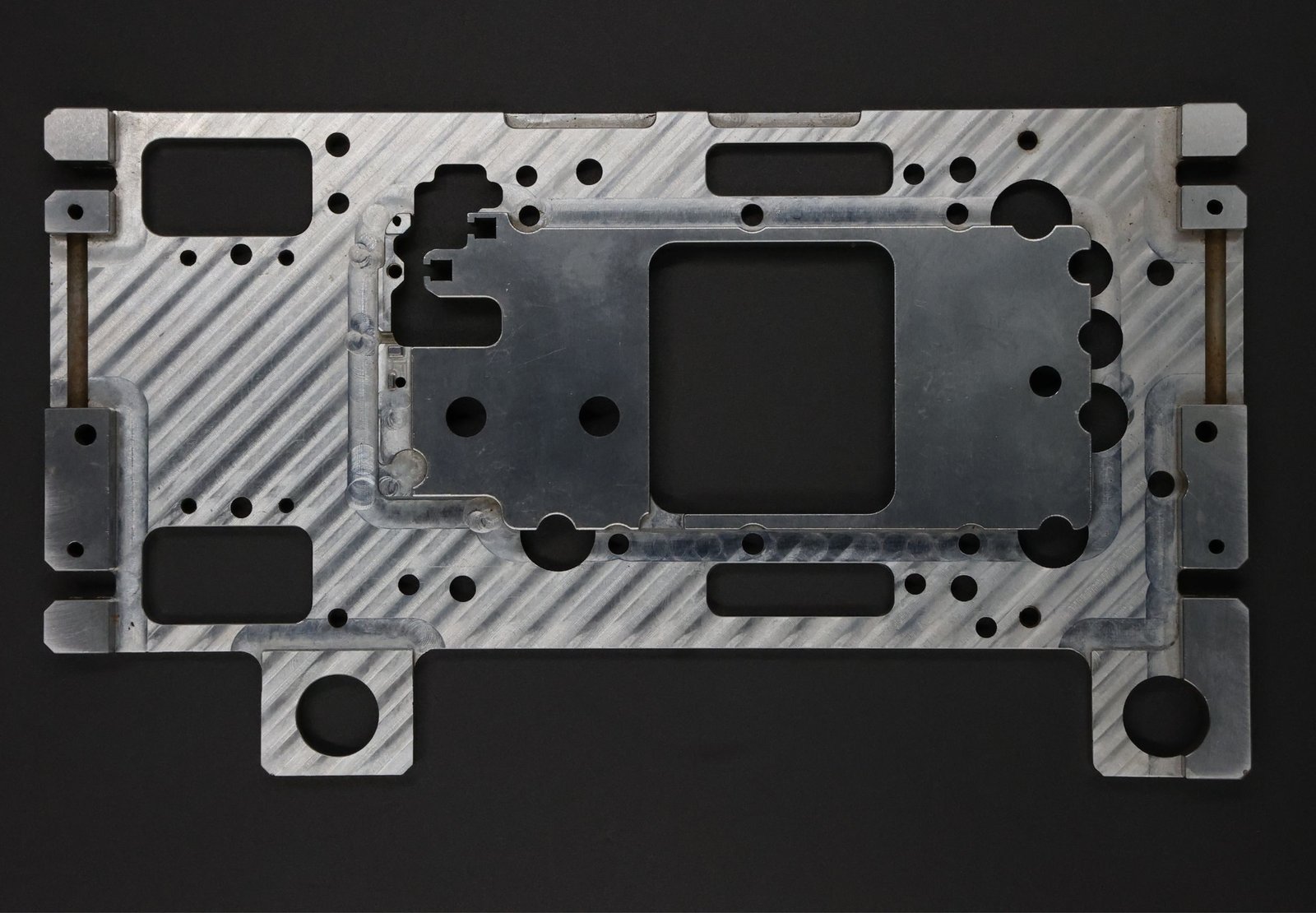
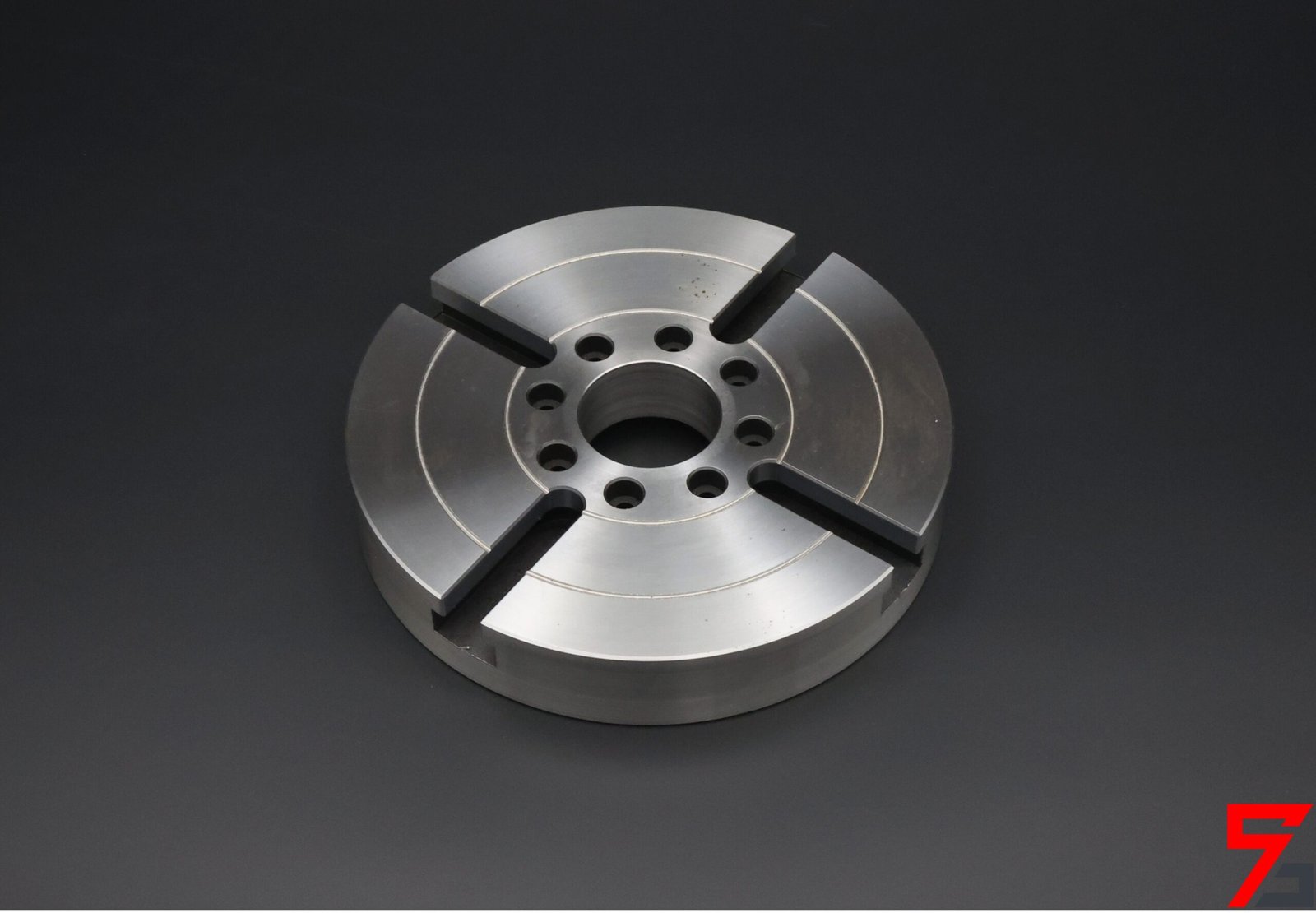
HONZORI have a clear process for rework, scrapping, or concession acceptance to ensure product quality and compliance.
HONZORI’s CNC lathes typically achieve a tolerance level of ±0.01mm to ±0.005mm, depending on the complexity of the part and the specific machine being used.
When HONZORI deals with non-conforming products found during quality inspections, it takes steps such as identifying and isolating, analyzing causes, developing improvement measures, notifying customers, and negotiating solutions to ensure that the quality of the products meets customer requirements.
HONZORI respond to frequent quality issues by implementing Root Cause Analysis (RCA) and establishing a continuous improvement mechanism
HONZORI’s quality inspectors are trained in mechanical drawing, mechanics of materials, inspection methods, and the use of inspection instruments.